Social Mobility and The Christian Faith of Second-generation Nigerians
When Second-Generation Nigerians Become the Mission Field: Intergenerational Tensions in Diaspora Pentecostal Churches
Second-generation Nigerian Pentecostals remain deeply committed to their faith and communities. Many of them grew up in these churches, forming friendships and finding surrogate families within them. Yet many, especially those in smaller congregations quietly admit to feeling out of place. The worship style can feel foreign, the sermons are sometimes less resonant, and the leadership detached from their everyday struggles. Intergenerational differences in beliefs, practices and the power dynamics create tensions that persist although there have been notable shifts since my 2018 investigation. If left unmanaged, these tensions could influence the future of African diaspora churches as history has shown among Caribbean Pentecostals. This tension drives my exploration of second-generation perspectives on the mission strategies of diaspora churches. It raises a provocative question: What happens when the very people these churches hope to pass their faith on to start exiting?
10/6/20251 min read
Abstract
Since the 1960s, African-led Pentecostal churches have flourished in the UK and Europe, often identifying the evangelisation of White indigenous populations as a key missiological aspiration. This desire has not yet been realised, although by numbers and social engagement, African Pentecostals are making their presence known and returning conversations on religion to the public sphere in Europe. This article, based on case studies in London and Amsterdam, departs from established scholarship on ‘reverse missions’ by arguing that intergenerational conflicts within Nigerian-initiated Pentecostal churches in Europe are a significant obstacle hindering their missional aims. This qualitative study focuses on second- and subsequent-generation Nigerian migrants and their perceptions of the missiological and religious activities of the first generation, exploring intergenerational conflicts relating to leadership; indigenous beliefs/practices; gender/cultural norms, and missiological approaches. It argues that addressing these points of conflict will be an important tool for the missional success of African Pentecostals in Europe.
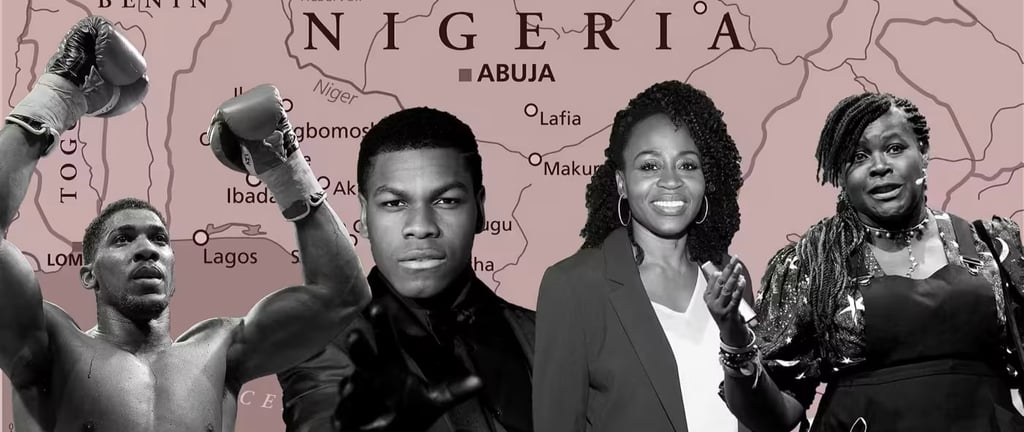

Image: Montage, Getty Image, Alamy