


As the year draws to a close, many of us naturally pause to reflect on the journey through 2025. It has been a demanding season for many—marked by pressure, uncertainty, and moments of deep introspection as we approach the year’s end. Yet amid the busyness, an important question continues to surface: how do heritage and faith shape identity, particularly for those growing up between two cultures?
Identity is often rooted in what is passed down—values, language, traditions, and a sense of belonging. For second-generation British Nigerians, identity is not singular but layered. It is shaped by African heritage and a European social reality, forming a hybrid identity that is increasingly influencing how faith is understood and practiced within the UK today.
Scholarly Insight: Dr Bisi Adenekan-Koevoets
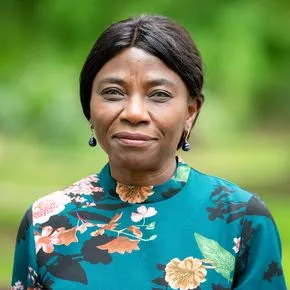
To better understand this evolving landscape, it is helpful to engage with the work of Dr Bisi Adenekan-Koevoets, a British Academy postdoctoral researcher at the University of Roehampton. Her academic focus spans African Pentecostalism, migration, identity, and lived faith, combining rigorous scholarship with cultural sensitivity.
Dr Adenekan-Koevoets’ research was informed by a personal search for a church community that transcended racial and denominational boundaries. During this journey, she encountered a recurring concern among church leaders: while significant attention was given to “reverse mission” and outreach beyond African communities, many of their own children—born and raised in the diaspora—were quietly disengaging from church life.
This observation shaped her research focus on the faith experiences of young adults aged 19 to 39, examining how they navigate their dual African and European identities and how these realities shape their spiritual expectations and practices.
A Year of Growth and Perspective
The past year has been one of stretching and refinement. From the early months of uncertainty to the reflective calm of December, many have experienced moments when stability felt fragile. Yet, time and again, provision, resilience, and grace emerged in unexpected ways.
Whether through sustained health, mental clarity, or simply the ability to persevere through a challenging year, gratitude has remained a steady anchor. This posture of gratitude is central to how faith is transmitted to the next generation, even when their expression of belief differs from that of previous generations.
Shifting Expressions of Faith
Research among young adults aged 19 to 39 reveals a notable shift in how Christianity is practiced and understood. Many who grew up in traditional church settings recall faith being closely tied to endurance, extended services, and rigid structures.
In contrast, second-generation Christians increasingly embrace a faith that is practical, reflective, and integrated into daily life.
-
Applied Scripture: Rather than extensive scripture referencing, there is a preference for focused passages explored through discussion and real-life application.
-
Lifestyle Witness: Evangelism is often expressed through relationships and personal conduct rather than public performance.
-
Safe Community: Churches continue to serve as important spaces where intergenerational learning can occur, while also allowing young adults to express their perspectives honestly and establish healthy boundaries.
Navigating Cultural Differences
One of the most significant challenges for families and faith communities lies in distinguishing cultural norms from spiritual principles. Respect remains a core value within many African households, while British culture places greater emphasis on individual expression and open dialogue. These differences can sometimes lead to misunderstandings rather than intentional disrespect.
Bridging this divide requires intentional effort:
-
Relationship First: Strong relationships create openness more effectively than enforced tradition.
-
Understanding Social Context: Young people are shaped not only by family but also by schools, universities, and wider society. They are confidently African and British.
-
Personal Faith Development: Providing spiritual foundations while allowing space for personal encounters with faith encourages long-term engagement.
Identity and Purpose
Dr Adenekan-Koevoets offers a clear and affirming message to young British Nigerians: you belong. You are part of a rich cultural heritage that is both rooted and evolving. More importantly, faith provides a secure foundation—knowing not only who you are, but whose you are.
Faith does not diminish ambition or individuality; rather, it offers clarity, direction, and purpose.
As December draws to a close, whether marked by quiet reflection, time with loved ones, or participation in spiritual traditions such as Prepare Him Room, this is an opportunity to pause and reflect. The lessons of 2025 have strengthened the community, and the future remains hopeful as long as dialogue, understanding, and connection continue to guide the way forward.